
Proven Innovations in Battery Paste for Enhanced Lead-Acid Battery Life
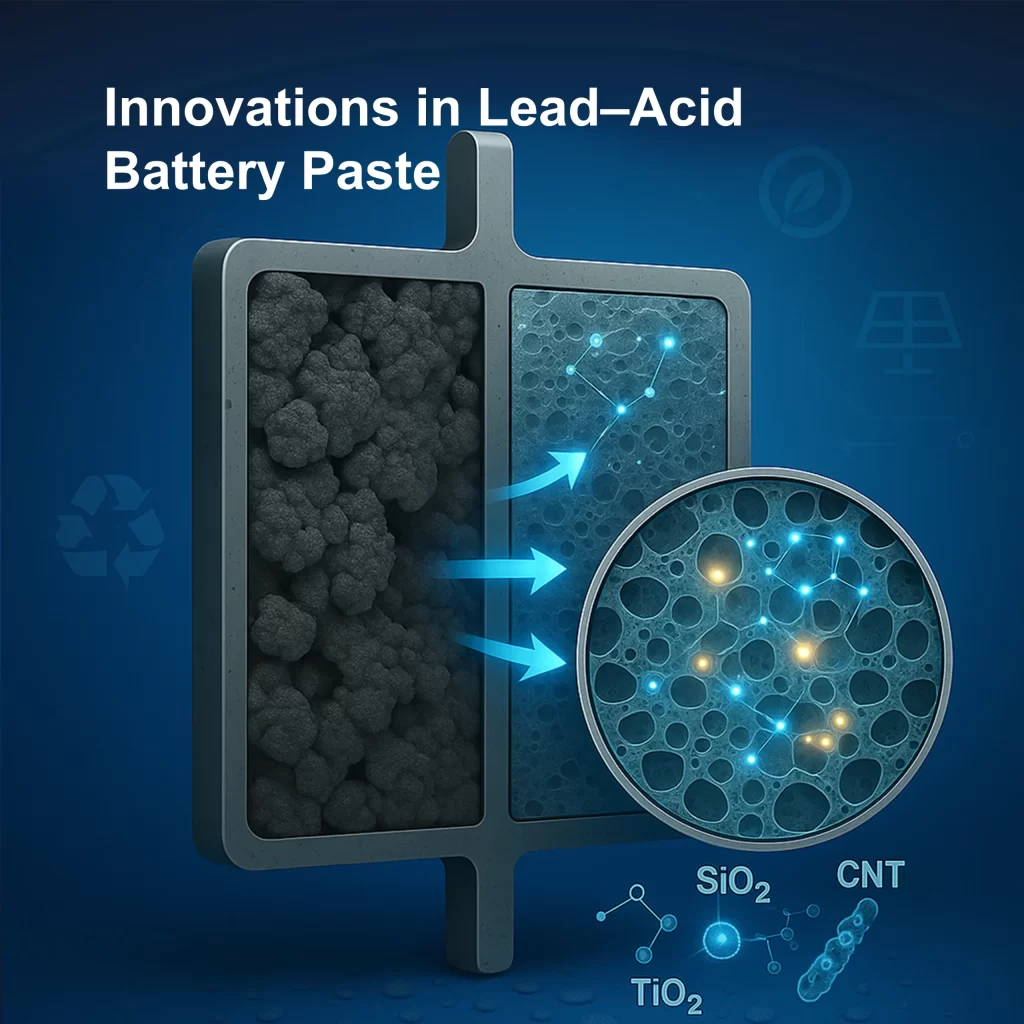
Lead-acid batteries remain a trusted choice for automotive, industrial, and renewable energy applications due to their reliability, affordability, and recyclability. A critical component driving their performance is the battery paste. Advances in paste formulation enhance cycle life, efficiency, and sustainability, making modern lead-acid batteries more robust than ever.
Why Battery Paste Matters
Battery paste, made of lead-based compounds and specialised additives, forms the active material on a battery’s positive and negative plates. Its composition directly impacts:
• Cycle Life: How many charge-discharge cycles the battery can endure.
• Energy Density: Energy stored per unit of weight or volume.
• Charge Acceptance: Efficiency of recharging.
• Internal Resistance: Lower resistance improves energy output.
Key Innovations in Battery Paste
1. Advanced Additives
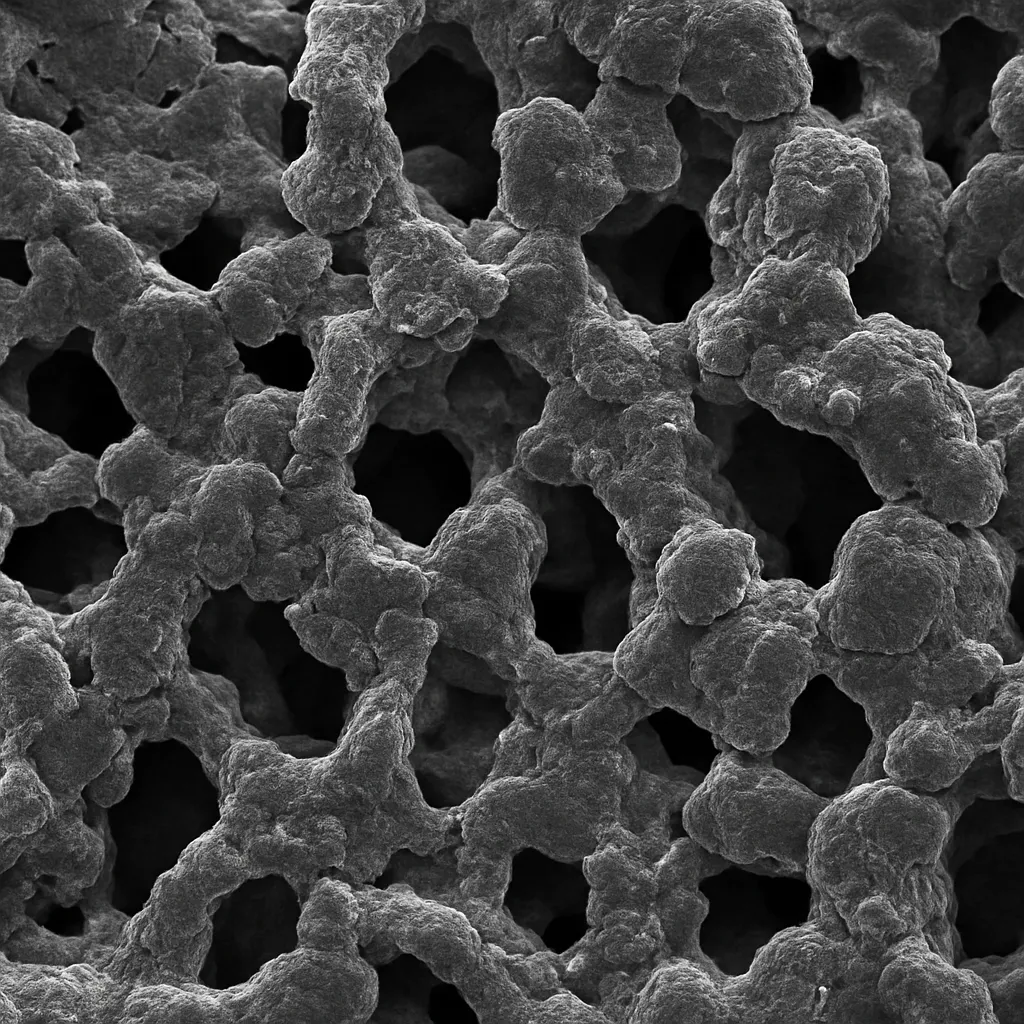
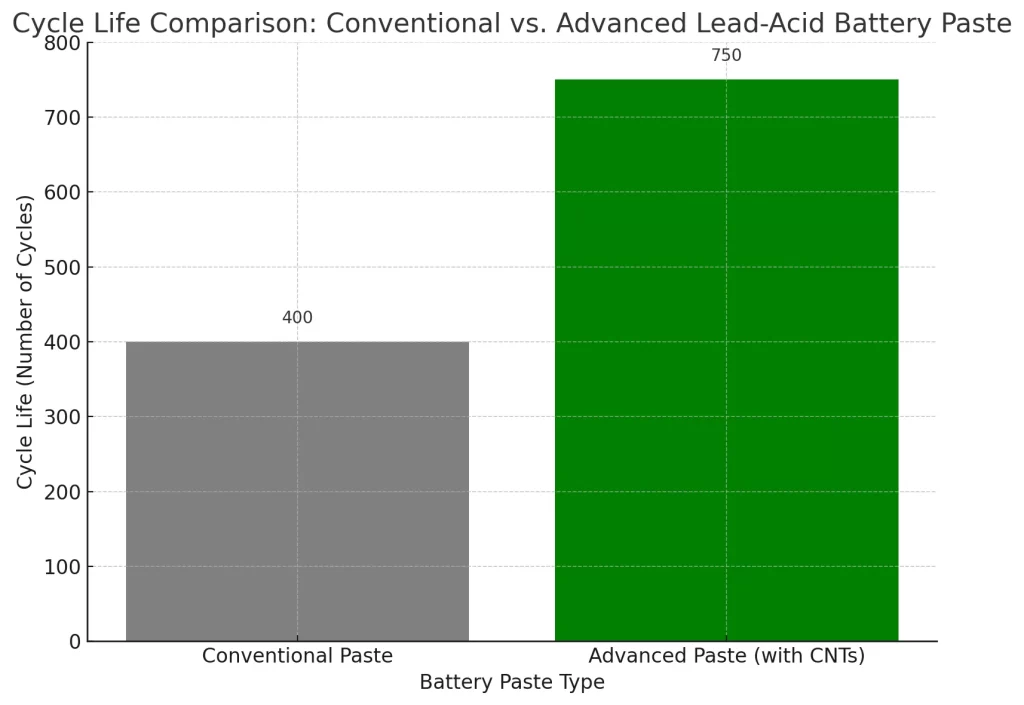
Additives like titanium dioxide (TiO₂), silicon dioxide (SiO₂), and multi-walled carbon nanotubes (MWCNTs) strengthen paste structure and boost conductivity. These enhance electrochemical stability, extending battery life across multiple cycles.
2. Recycled Paste Materials
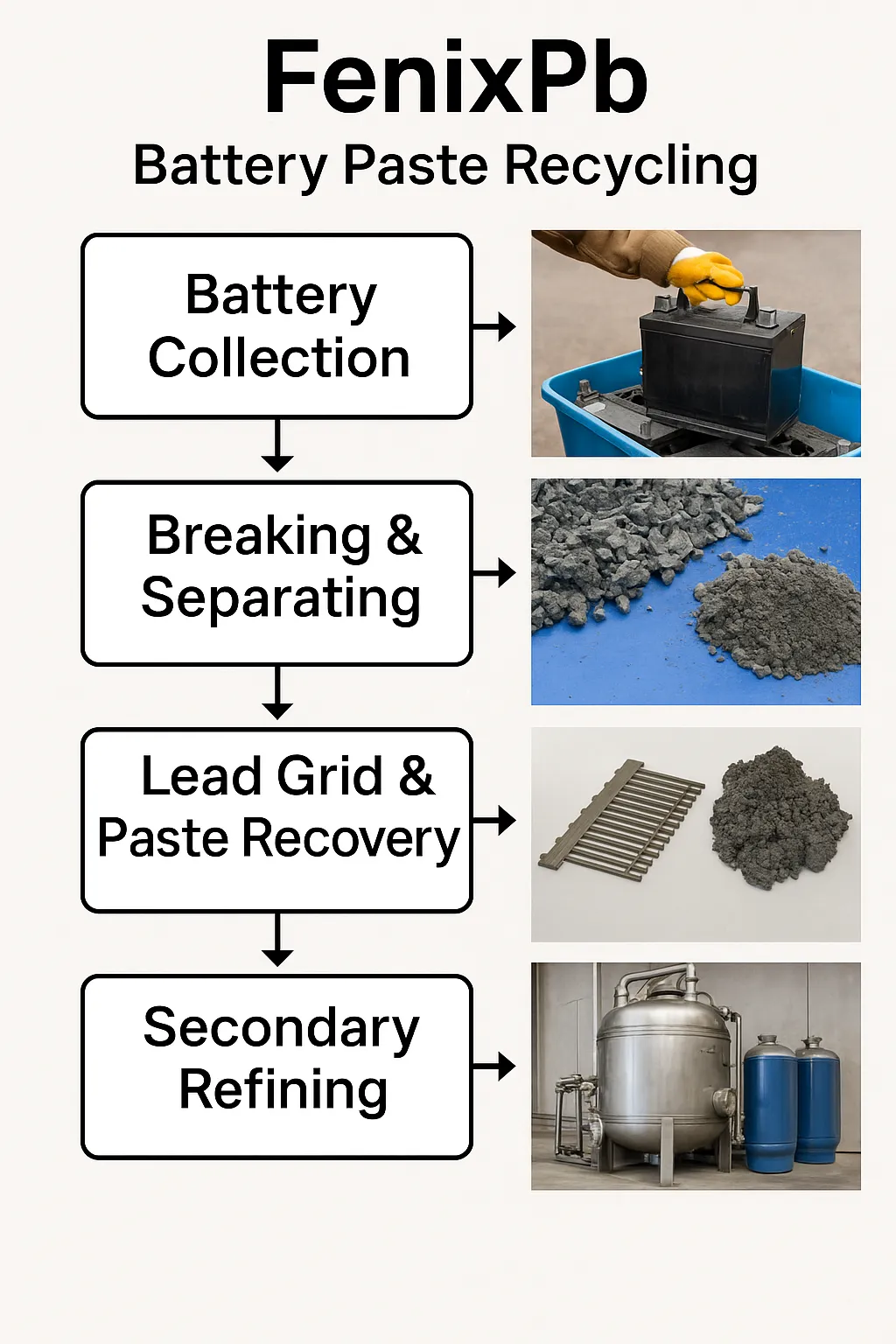
The FenixPb process and other hydrometallurgical methods produce high-purity leady oxide from recycled battery paste. These eco-friendly solutions match or exceed virgin material performance while reducing environmental impact.
3. Optimised Industrial Inputs
Using finer carbon materials, such as anthracite dust or coal flotation concentrate, lowers costs and improves smelting consistency, resulting in higher-quality battery paste.
4. Improved Process Control
Advanced curing techniques and grid–paste bonding insights enhance plate durability and energy performance, based on recent technical reviews.
Real-World Applications
Innovative battery paste formulations are transforming lead-acid batteries in:
• Automotive SLI Systems: Enhanced paste improves reliability in start–light–ignition applications.
• Telecom and Backup Power: Durable paste ensures consistent performance in critical systems.
• Renewable Energy Storage: Advanced additives excel in partial state-of-charge conditions, ideal for solar and wind systems.
FAQs About Battery Paste Innovations
-
-
Carbon additives enhance charge acceptance and reduce sulphation, boosting efficiency.
-
-
Yes, TiO₂ and SiO₂ nanoparticles improve conductivity and plate durability.
-
-
Yes, advanced recycling methods produce high-quality lead oxides comparable to virgin materials.
-
-
Many are integrated into large-scale battery production for automotive and industrial use.
-
-
It ensures efficient energy transfer and better performance under load.
-
-
It recycles lead paste with low-energy methods, minimising emissions and waste.
-
-
Slightly, but longer lifespan and better performance reduce overall ownership costs.
Conclusion: Powering the Future with Advanced Battery Paste
Innovations in battery paste are revolutionising lead-acid batteries, offering longer life, better efficiency, and enhanced sustainability.
References
- Zhang, Y., et al. (2022). Advances and challenges in improvement of the electrochemical performance for lead–acid batteries. Journal of Power Sources.
https://doi.org/10.1016/j.jpowsour.2021.230800 - Velasco-Soto, M. A.,et al. (2021). Improvement on cell cyclability of lead–acid batteries through high-energy ball milling and addition of multi-walled carbon nanotubes in the formulation of leady oxides. Journal of Applied Electrochemistry, 51(3), 387–397.
https://doi.org/10.1007/s10800-020-01507-z - Fusillo, G., et al. (2018). Lead paste recycling based on conversion into battery grade oxides: Electrochemical tests and industrial production of new batteries. Journal of Power Sources, 381, 127–135.
https://doi.org/10.1016/j.jpowsour.2018.02.019 - Siwiec, G., et al. (2024). Application of fine-grain carbon materials in the process of smelting lead from battery paste. Materials, 17(23), 5806.
https://doi.org/10.3390/ma17235806