
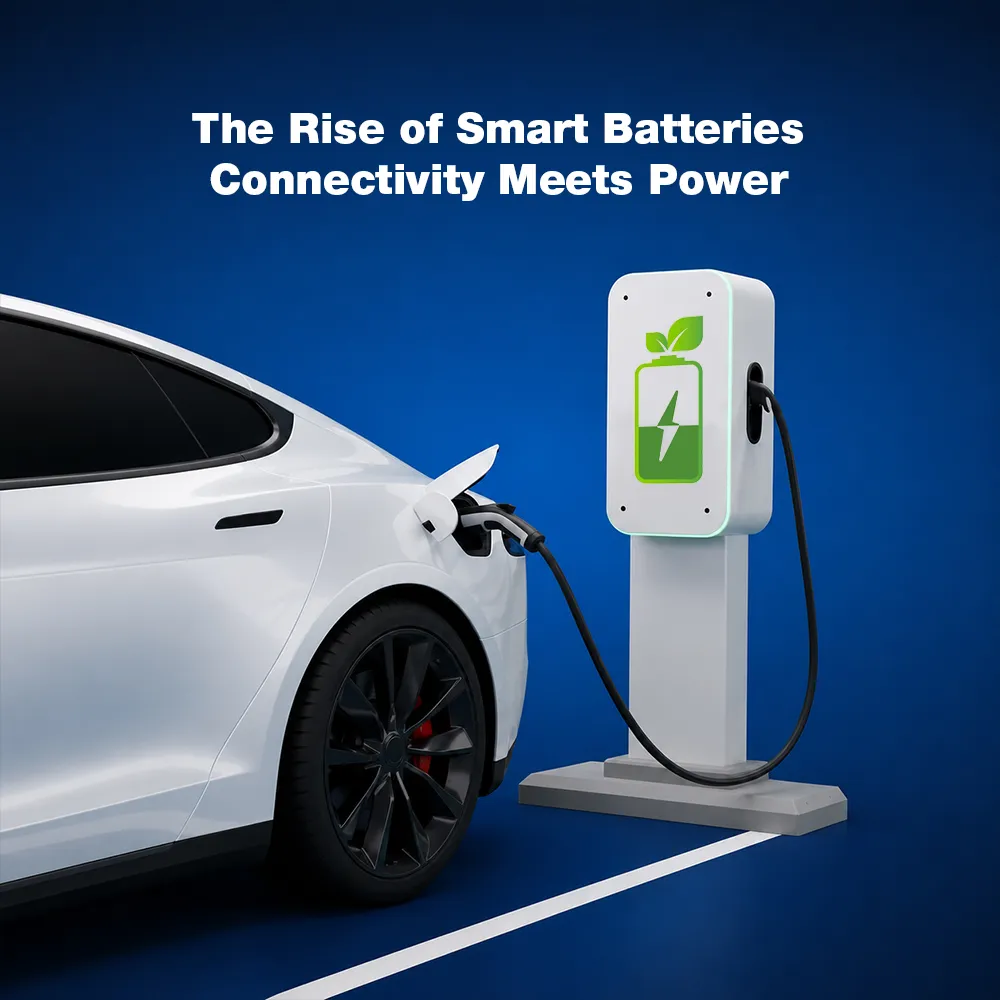
The emergence of smart batteries marks a transformative milestone in the evolution of energy storage technology. In an era increasingly defined by interconnected devices, smart batteries are fundamentally reshaping how we store, manage, and optimise electricity across diverse industry sectors.
By integrating Internet of Things (IoT) capabilities and advanced management systems (BMS), smart batteries transcend traditional power storage limitations to become active participants in creating more intelligent and efficient energy ecosystems, grid stabilisation and lifecycle optimisation.
As we progress towards a more sustainable future, understanding how smart battery technology worksbecomes essential for comprehending the broader shift in power technologies.
What Is a Smart Battery?
A smart battery represents the next generation of energy storage system that leverage connected technology to offer real-time monitoring, intelligent management, and dynamic performance optimisation. Unlike conventional batteries, these sophisticated units incorporate embedded sensors, advanced software algorithms, and integrated communication systems that enable them to interact intelligently with other devices and energy network infrastructures.
Core Features and Capabilities
These intelligent power solutions offer several advanced functionalities that distinguish them from traditional alternatives:
- Remote Performance Monitoring of voltage, temperature variations, health status and state of charge
- Predictive Data analytics for forecasting maintenance requirements and potential failure points before they occur.
- Automated Optimization Self-adjusting parameters that maximise efficiency based on usage patterns and environmental conditions
- Seamless integration with other smart systems including smart grids, home automation platforms, and renewable energy installations
These advanced systems enhance both energy efficiency and the sustainability of power usage, paving the way for the future of connected energy solutions.
How Smart Batteries Enhance Energy Efficiency
One of the primary advantages of smart battery technology lies in its capability to optimise energy storage and consumption dynamically. These units incorporate advanced Battery Management Systems (BMS) that continuously monitor and regulate key performance parameters including:
- Voltage stability across individual cells
- Operating Temperature ranges
- Charge and discharge cycles
- Current flow and distribution
- Depth of discharge
- Internal resistance
This oversight ensures optimal performance while substantially extending operational lifespan compared to conventional alternatives.
Grid Integration and Demand Response
Connected batteries possess the remarkable ability to adjust their energy usage patterns based on external factors, particularly responding to fluctuating demand within smart grid infrastructures. This adaptive capability enables several critical functions:
- Peak Load Shifting: Storing energy during low-demand periods for utilization during peak consumption hours
- Frequency Regulation: Helping maintain grid stability through rapid response to supply-demand imbalances
- Energy Conversation: Reducing waste through intelligent charge/discharge scheduling
- Distribution Efficiency: Improving overall power delivery system performance
By participating actively in grid management, smart batteries contribute meaningfully to energy conservation efforts while reducing operational costs for consumers and utilities alike.
The Role of IoT in Smart Battery Management
The integration of IoT-enabled batteries allows for unprecedented level of advanced monitoring and control. By linking batteries to cloud-based platforms, vast amounts of data can be collected and analyzed in real-time. This data empowers all stakeholders from battery manufacturers to end consumers) to make informed decisions about:
- Energy storage optimization: Predicting the best times to store and use power.
- Predictive maintenance: Identifying potential issues before they cause downtime, saving time and money.
- Remote troubleshooting and diagnostics: Resolving problems quickly without the need for a physical site visit.
These capabilities are particularly valuable in sectors where reliability and efficiency are paramount, such as electric vehicles (EVs), renewable energy storage, and large-scale power grid management.
The Future of Energy: How Smart Batteries Will Power Tomorrow
As the world shifts decisively towards a more sustainable energy ecosystem, smart batteries are poised to play a critical, foundational role in facilitating this transition. From smart grid solutions to electric vehicle charging infrastructure, these batteries will become the backbone of modern energy systems.
Smart batteries will enable real-time energy load balancing, reducing our dependence on fossil fuels and enhancing the integration of intermittent renewable energy sources like solar and wind. Crucially, their ability to seamlessly connect with other smart devices and systems ensures they will be integral to the development of smart cities and sustainable smart homes.
Key Applications of Smart Batteries:
The versatility of smart battery technology is driving innovation across multiple sectors:
- Energy Storage for Renewable Sources: Smart batteries can store excess energy generated by rooftop solar panels or wind turbines, providing a reliable a reliable backup power source when energy generation is low and increasing self-consumption.
- Electric Vehicle (EV) Charging and Management: Smart batteries in EVs optimise charging cycles and improve energy efficiency, contributing to the growth of green transportation. Remote diagnostics also enable predictive servicing, reducing downtime and extending vehicle battery life.
- Smart Homes and Local Grids: Connected batteries enable intelligent energy management in homes and commercial buildings, where they can optimise appliance usage, track energy consumption patterns, store energy during low-tariff periods, and even export surplus electricity back to the National grid, creating a more dynamic and efficient local energy market.
Key Takeaways:
- Intelligent Energy Management: Smart batteries are revolutionising energy storage by offering real-time monitoring and proactive optimization, moving beyond simple power storage.
- The Power of Connectivity: The integration of IoT into power systems ensures that smart batteries can communicate with other devices for better energy efficiency.
- Foundation of Sustainable Future: As part of smart grid solutions, smart batteries will drive the future of sustainable power, supporting renewable energy integration and reducing reliance on traditional energy sources, and building a more resilient and sustainable energy infrastructure.
- In the coming years, advances in AI-driven analytics and improved battery chemistries are likely to further enhance smart battery performance and reliability.
FAQs
Conclusion: The Transformative Impact of Smart Batteries
The rise of smart batteries signifies a major leap forward in how we approach energy storage and consumption. By Harnessing the power of IoT connectivity, predictive analytics, and real-time optimisation, these intelligent systems are paving the way for a more sustainable, efficient, and interconnected future. As smart battery technology continues to evolve and become more accessible, we can anticipate even more profound changes in how energy is stored, distributed, and utilised across all sectors of the economy—from electric vehicles to renewable energy solutions and beyond.